

Food is not only about eating. It is tied to dignity, equity, and national development. When people have secure access to safe, nutritious, and culturally appropriate food, societies thrive. Yet, in Kenya, many families struggle to meet their daily needs. This situation is not only about hunger; it points to deeper problems within our food system.
Food justice is about fairness in every part of the food system. It means ensuring that farmers are paid fairly for their work, that consumers have access to safe and affordable food, and that the environment is protected for future generations. It also means challenging the structures that keep some communities food secure while others face chronic shortages.
Today, many Kenyan farmers work hard but earn little, while middlemen and large corporations capture most of the value. At the same time, consumers pay high prices, and cheap but unsafe food floods the market. Climate change, land pressures, and over-reliance on chemical inputs add more challenges, making the system even less sustainable.
Addressing these issues requires action at every level. Farmers can adopt agroecological and climate-smart practices. Consumers can demand healthy, locally grown foods and reduce food waste. Policymakers can strengthen regulations to protect the right to food and fair labor practices. Communities, NGOs, and civil society can advocate for inclusive and resilient food systems.
A just food system benefits everyone. Farmers earn a decent living. Consumers eat safe and nutritious food. The environment is safeguarded. The economy grows in a way that leaves no one behind.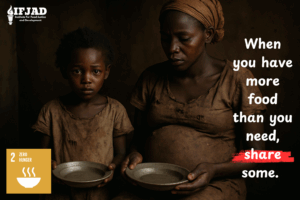
At the Institute for Food Justice and Development (IFJAD), we are working to make this vision a reality. Join us in creating a Kenya where food justice is not a dream, but a right enjoyed by all. Your choices, your voice, and your support can make the difference.

