
Overall Goal
To accelerate recovery and reduce relapse among patients with nutrition-related health conditions by embedding nutrition-sensitive, agroecological food systems within hospital-based care.
Project Overview
Why this Project Matters
Across Kenya, hospitals continue to manage high burdens of malnutrition and diet-related illness, yet food remains weakly integrated into clinical care. Children treated for acute malnutrition often relapse after discharge. Patients with chronic nutrition-related conditions leave health facilities without the food knowledge, skills, or access required to sustain recovery at home.
These challenges are not simply individual failures. They reflect deeper systemic gaps: fragile therapeutic food supply chains, limited caregiver engagement, weak links between hospital diets and household food environments, and an under-recognition of food as a core public health intervention.
The Food-As-Therapy Recovery System (FTRS) responds to this gap by repositioning food as a central pillar of healing, dignity, and continuity of care.
What Is FTRS?
The Food-As-Therapy Recovery System (FTRS) is a hospital-embedded clinical nutrition innovation that integrates nutrition-sensitive agriculture, therapeutic food preparation, patient and caregiver learning, and post-discharge transition support into routine healthcare.
Grounded in the right to food and agroecological principles, FTRS supports faster recovery, reduces relapse, and strengthens continuity of care for patients with nutrition-related health conditions.
Implemented within public health facilities, the system uses on-site agroecological food production to supply fresh, nutrient-dense foods for therapeutic use, while equipping patients and caregivers with practical skills to sustain nutrition care beyond the hospital.
FTRS is designed as a modular and adaptable platform, applicable across multiple clinical contexts, including malnutrition management, diabetes care, and maternal and child health services.
The FTRS Approach
FTRS operates through four integrated components that link clinical care, food systems, and household realities:
1. On-Site Clinical Nutrition & Demonstration Garden
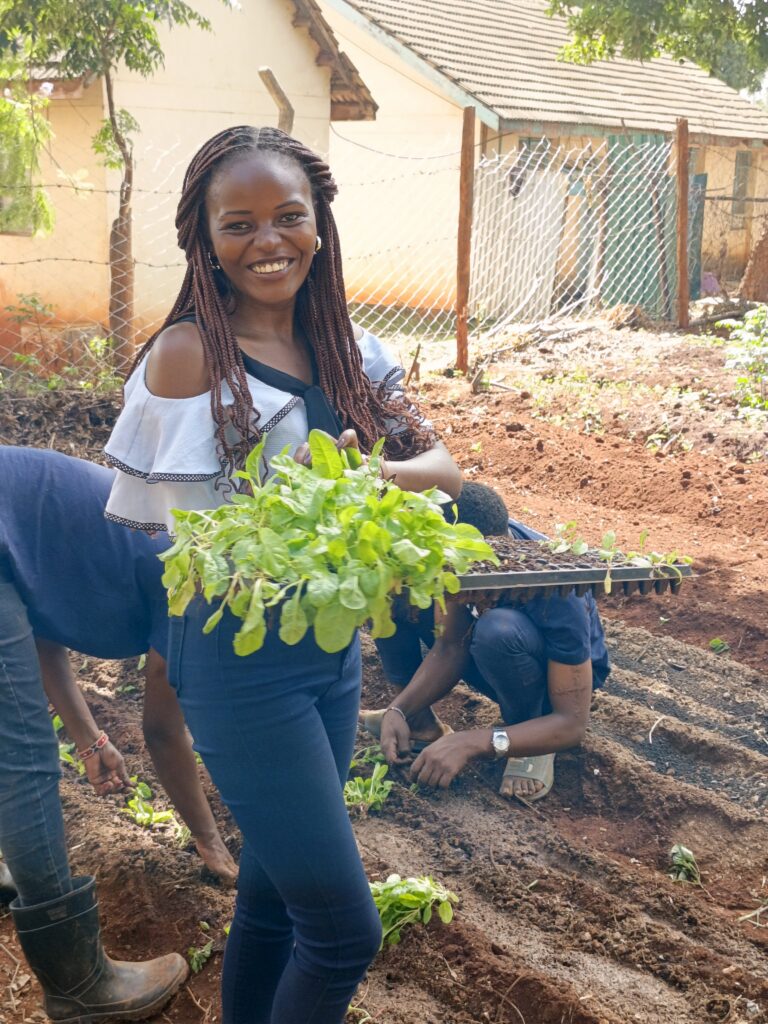
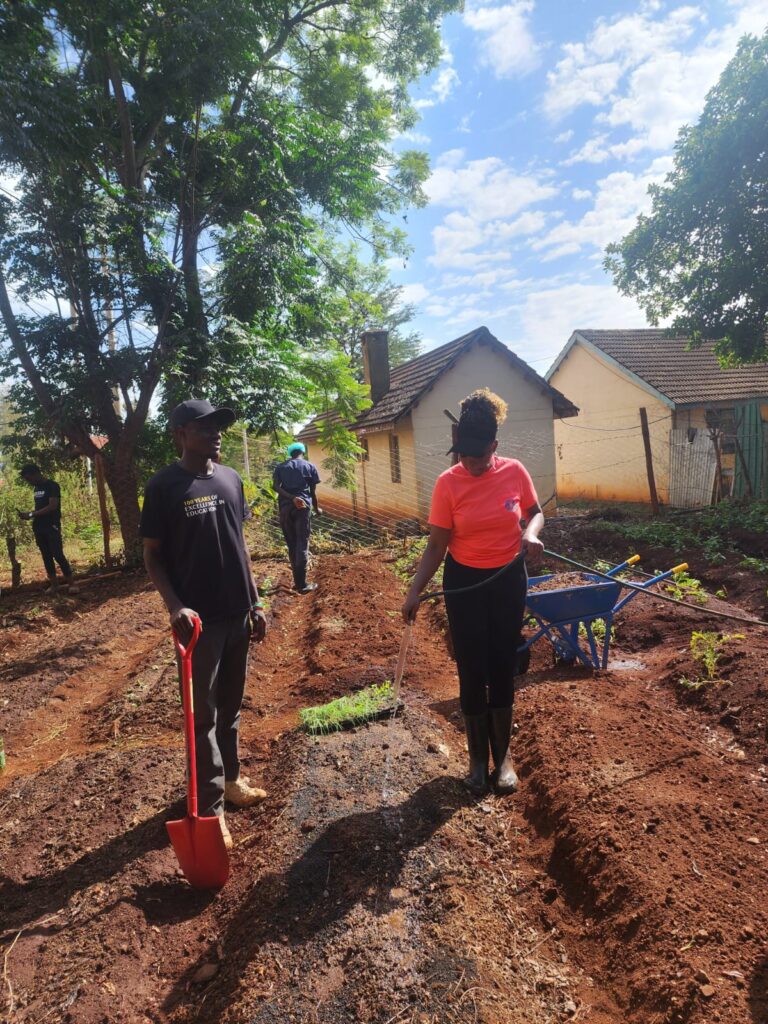
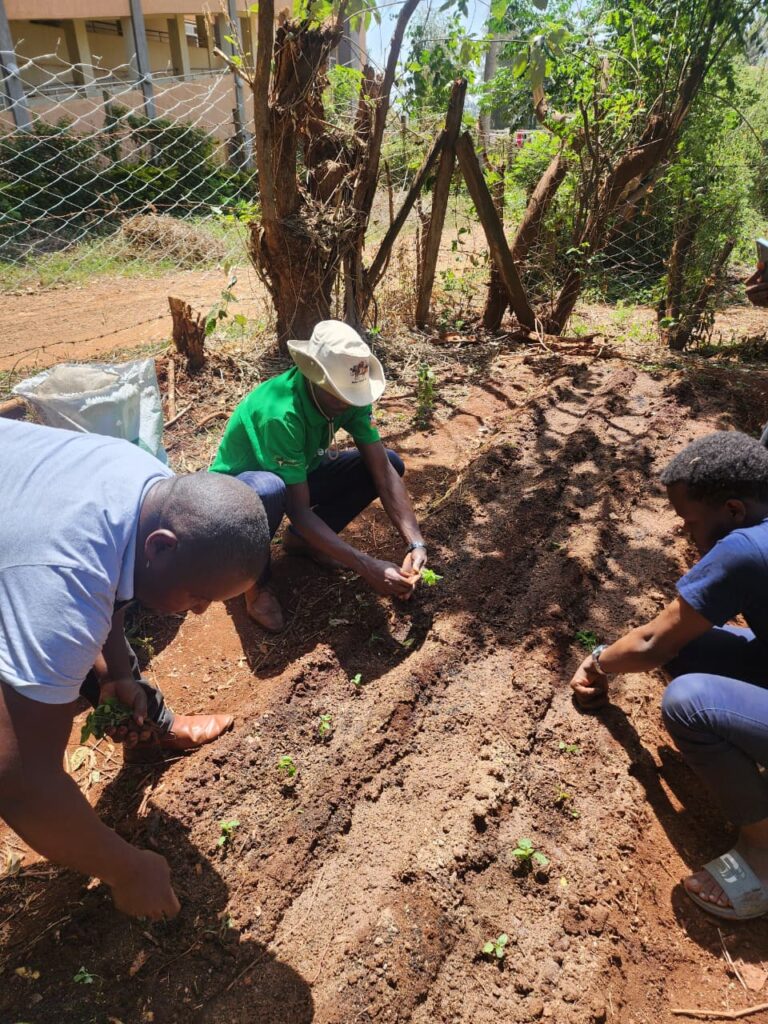
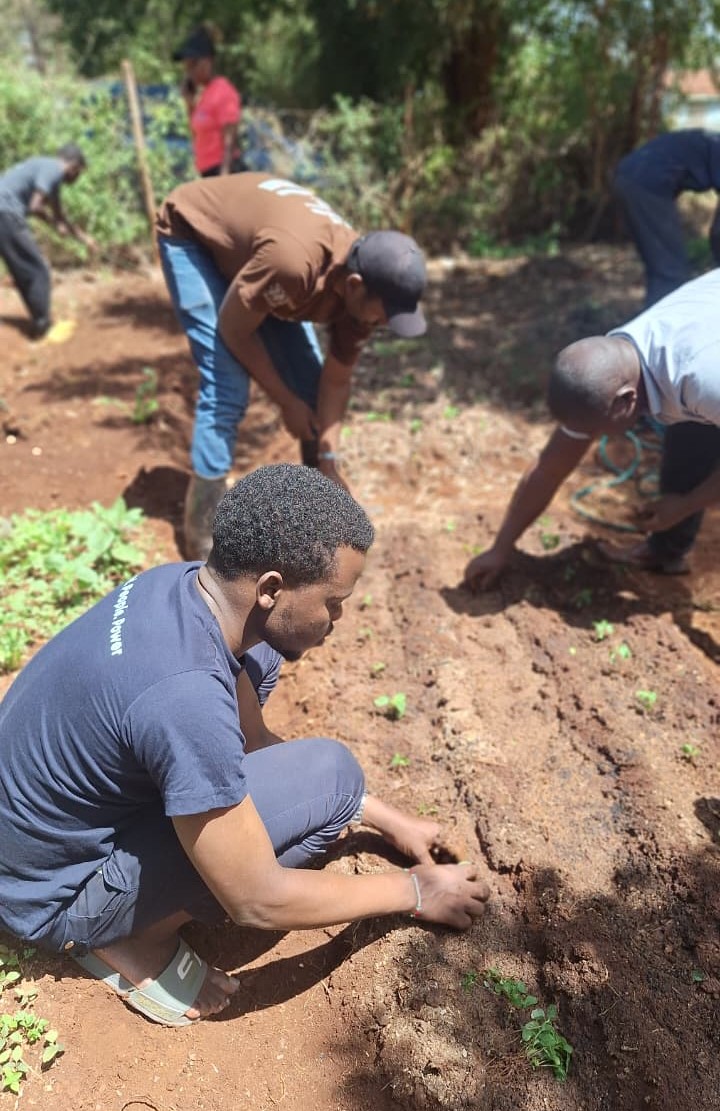
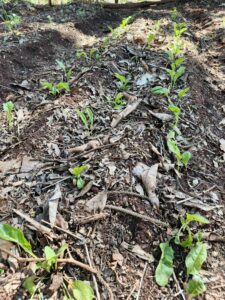
An agroecological garden located within the health facility produces nutrient-dense foods for therapeutic use. It also serves as a practical learning space where patients and caregivers observe and practice low-space, low-input, and replicable food production methods suitable for home use.
2. Therapeutic Food Kitchen
Produce from the garden is transformed into fresh, culturally appropriate therapeutic meals aligned with clinical nutrition requirements. Meals are designed to support specific recovery goals such as catch-up growth, appetite restoration, or metabolic stability.
3. Patient and Caregiver Food Learning
Hands-on demonstrations and guided learning sessions equip patients and caregivers with practical skills to prepare appropriate meals using locally available foods. This strengthens continuity of care and reduces dependence on hospital-based interventions alone.
4. Targeted Transition Food Support
For highly vulnerable households, time-bound post-discharge food support bridges the critical transition period, reinforcing learned practices and reducing the risk of relapse.
Expected Results
Improved recovery indicators, including appetite, intake, weight gain, or metabolic stabilization
Shorter hospital stays and reduced readmissions
Increased patient and caregiver confidence in sustaining nutrition care at home
Greater resilience of clinical nutrition services to supply disruptions
Practical learning on integrating nutrition-sensitive agriculture into health systems
Why This Project Is Innovative
FTRS shifts food from the margins of healthcare to the center of recovery. It demonstrates how public health institutions can function not only as sites of treatment, but also as spaces of learning, dignity, and empowerment.
By linking agroecology, clinical nutrition, and community capacity, FTRS offers a rights-based, scalable model for improving health outcomes while addressing deeper food system inequities.